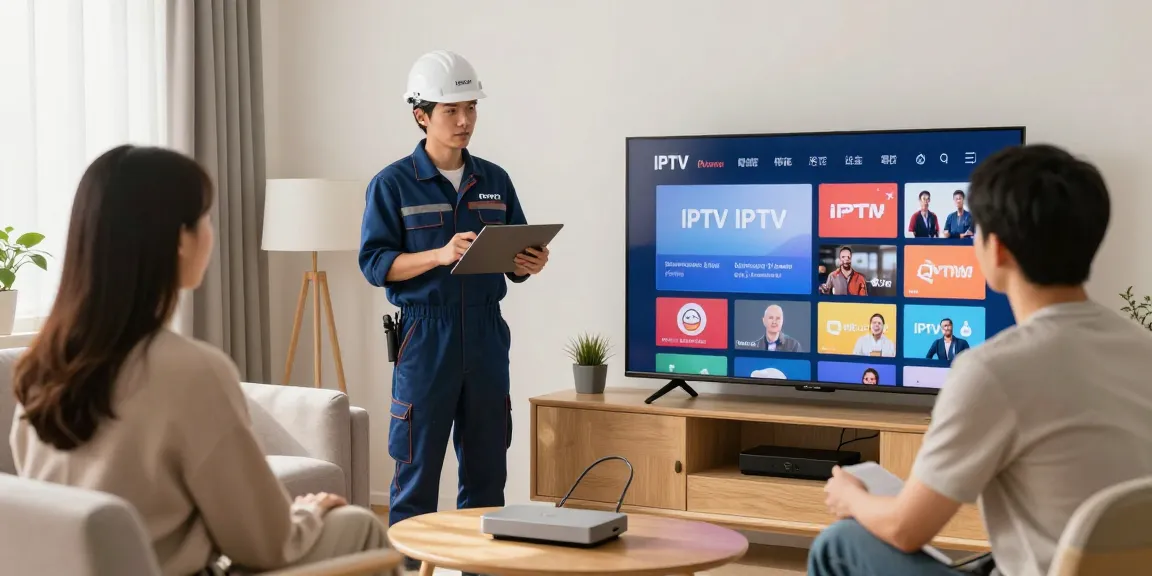

Understanding IPTV Services: What to Expect
As the media landscape evolves, many homeowners are seeking reliable alternatives to traditional cable TV. The frustration of slow buffering, limited channel selections, and high costs associated with cable subscriptions has led many to explore IPTV services. This article serves as a comprehensive guide to understand what IPTV is, its benefits, how it can replace traditional cable, and what to consider when choosing a provider.
Overview of IPTV Technology
IPTV, or Internet Protocol Television, is a method of delivering television content over the internet instead of traditional terrestrial, satellite, or cable formats. This technology enables users to stream media in real-time, using a broadband connection. IPTV services differ from standard streaming in that they provide live programming alongside video on demand (VOD), offering viewers a more cohesive experience with access to a large selection of channels and content.
Benefits of Choosing IPTV Services
- Flexibility: Stream content on multiple devices, including smart TVs, tablets, smartphones, and computers without being tied to a specific box or cable set-up.
- Cost-Effectiveness: IPTV typically offers lower monthly rates compared to cable packages, allowing subscribers to save money without sacrificing content quality.
- Diverse Content Selection: Access to thousands of channels including international offerings, pay-per-view events, sports channels, and a wide array of VOD options.
- User-Friendly Features: Easy-to-navigate interfaces with features such as catch-up TV, which allows users to watch shows they missed, and a remote control that is often intuitive.
How IPTV Can Replace Traditional Cable
Transitioning from cable to IPTV offers numerous advantages. For one, you won’t have to deal with equipment rental fees or long-term contracts typically associated with traditional cable services. Additionally, setting up IPTV is generally straightforward. The process often requires merely subscribing, downloading an application on your desired device, and logging in. With IPTV, users can enjoy the convenience of having all their favourite channels and shows in one place, accessible any time and from any location with an internet connection.
Choosing the Right IPTV Provider in Your Area
Choosing an IPTV provider is a crucial step in ensuring you receive reliable service and quality content. It’s important to evaluate various factors to find the right fit tailored to your preferences and needs.
Key Factors to Consider When Selecting a Provider
- Content Variety: Check if the provider offers the channels and shows you wish to watch, including local programming and international options.
- Device Compatibility: Make sure their service works on your devices, whether that’s a Smart TV, tablet, smartphone, or PC.
- Customer Support: Verify availability of customer support and how they handle queries. Reliable support can be invaluable in case of issues.
- Service Reliability: Read reviews from current users to gauge reliability and performance. Users should find consistent connectivity without buffering.
Local Providers vs. National Brands
Local IPTV providers can often offer more tailored services and customer support compared to larger national brands. They may have a better understanding of the specific programming that resonates with your community. On the other hand, national brands may provide more extensive content libraries and technological resources that enhance the quality of service. Consider exploring both options, looking into their particular offerings, and evaluating which aligns best with your viewing habits.
Customer Support and Service Availability
The importance of robust customer service support cannot be overstated in the IPTV landscape. Issues can arise, and a prompt response can mitigate user frustration significantly. Many providers offer support via multiple channels such as phone, email, and live chat. Always look for providers that offer 24/7 support as the convenience of getting help at any time can greatly enhance your viewing experience.
Pricing and Subscription Plans for IPTV Services
Understanding the pricing structure of IPTV services is essential. Here, we’ll break down typical costs, highlight hidden fees you should be aware of, and make comparisons against competitors.
Cost Breakdown of Different IPTV Packages
IPTV providers generally offer various subscription packages to meet different viewing preferences. Expect to find options that range from basic plans with essential channels to comprehensive packages that include many international and premium channels. Typical pricing may be as follows:
- Basic Plan: £10 – £20 per month for around 100-150 channels.
- Standard Plan: £20 – £35 per month providing 300+ channels, including some premium content.
- Premium Plan: £35+ per month with thousands of channels and extensive VOD options, including 4K capability.
Hidden Fees and What to Watch For
Additional fees that can catch subscribers off guard include activation fees, equipment rentals, or costs for additional connections. Always clarify what costs are included in your monthly plan and what charges may arise later. Providers sometimes hide these fees in the fine print, so make sure to read the terms of service carefully before subscribing.
Comparing Subscription Plans Against Competitors
When evaluating multiple subscription plans, don’t just look at the number of channels offered; consider the overall value. Compare the features included in each plan, such as DVR capabilities, the availability of customer support, and the quality of the app or interface provided for viewing. A plan might appear cheaper at first glance, but if it lacks essential features or reliable customer support, it may not be the best choice long-term.
Legal Considerations for IPTV Services in the UK
As the popularity of IPTV services grows, so does the necessity for understanding the legalities surrounding them. Knowledge of these regulations can help ensure that you choose a legitimate provider and avoid potential pitfalls.
Understanding Licensing and Compliance
IPTV technology itself is legal, but the legality hinges on the content being broadcast. Providers must hold licenses for all channels they offer. Be wary if a provider does not disclose their licensing, as offering unlicensed content can lead to legal repercussions for both the provider and the subscriber.
Why Content Legality Matters for Users
Watching content from unlicensed sources may not only jeopardise your access to channels but can also expose you to risks, including potential legal action or malware. It’s crucial to verify the legitimacy of your chosen provider by ensuring they represent fully licensed content.
How to Identify Legitimate IPTV Providers
Look for providers who are registered businesses with clear business practices. They should openly communicate their licensing details, offer transparent support options, and have positive reviews from users. Engaging with providers through social media or user forums can also provide insight into their reputation.
Customer Experiences and Testimonials of IPTV Services
Large-scale adoption of IPTV services means numerous user experiences shared online. Their insights provide invaluable information that can guide potential subscribers toward the right choice.
Real User Reviews and Ratings
When contemplating an IPTV service, scrutinise user reviews. A multitude of positive reviews highlighting ease of use, channel variety, strong customer support, and consistent service reliability serve as strong indicators of a reliable provider. Look for platforms that aggregate opinions, enabling you to get a clearer picture of what to expect.
Case Studies: Successful Transitioning to IPTV
Many users report that transitioning from cable to IPTV not only saved them money but also expanded their channel selections and improved overall viewing quality. This trend underscores the importance of careful provider selection and appropriate service plans in ensuring these benefits are realized.
Building Trust: The Importance of Community Feedback
Engaging with your community about their experiences with various providers can further enhance the trustworthiness of your choice. Consider discussing your potential options in local social media groups or community forums to garner real-time insights and feedback.
Frequently Asked Questions
As the IPTV landscape continues to grow, several common questions arise among consumers. Here are some of them along with concise answers to ease your decision-making process.
What devices do IPTV services support?
Most IPTV services are designed for high compatibility with various devices including smart TVs, tablets, smartphones, and set-top boxes. Always check while choosing a provider if the service specifically supports your devices.
Are there any contracts required for IPTV subscriptions?
While some IPTV providers may require contracts, many offer flexibility with month-to-month subscriptions. Read the fine print to fully understand the terms before committing.
How can I ensure I’m choosing a reputable IPTV service?
Research is key. Look for verified reviews, confirm that the provider is registered and licensed, and check the quality of their customer service. Engaging with the provider before subscribing can also give you a feel for their responsiveness and professionalism.