
Understanding Utility Surveys: What You Need to Know
Utility surveys are essential in today’s infrastructure development, especially in regions like Surrey, where the interplay of modern construction and existing underground utilities can be complex. These surveys provide critical information about the location and condition of underground utilities such as water pipes, gas lines, and electrical cables, helping to avoid costly disruptions during construction projects. When exploring options, Utility Survey Surrey professionals deliver comprehensive insights to ensure projects proceed smoothly and safely.
Definition of Utility Survey and Its Importance
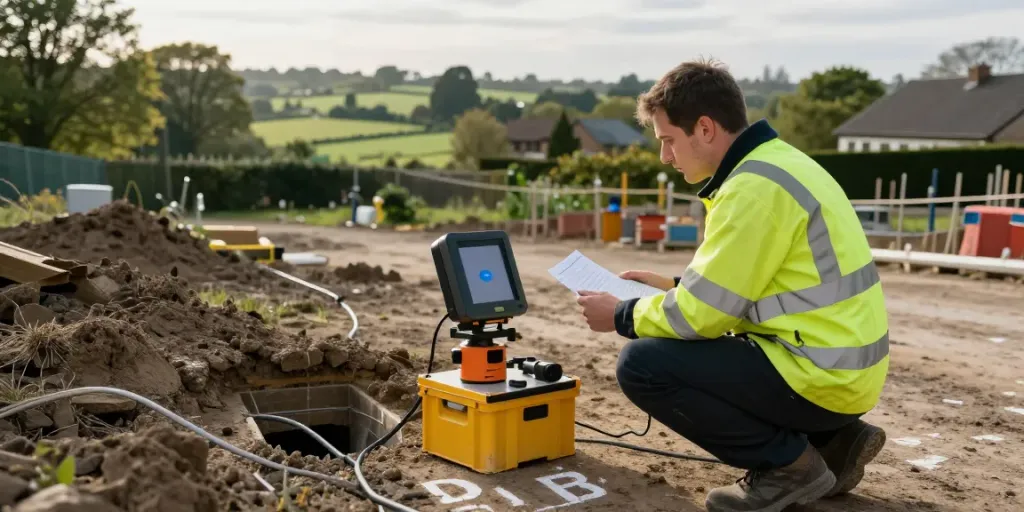
A utility survey is a systematic method used to locate and identify underground utilities. This process employ various technologies, including Ground Penetrating Radar (GPR), Electromagnetic Location (EML), and other sophisticated mapping techniques. The primary objective is to provide detailed graphical representations of buried infrastructure. The importance of utility surveys lies in their ability to mitigate risks associated with accidental utility strikes, which can lead to severe accidents, legal issues, and costly project delays.
Types of Utility Surveys Available in Surrey
In Surrey, several types of utility surveys cater to different project needs:
- Ground Penetrating Radar (GPR): This technology uses radar pulses to image the subsurface and is ideal for locating non-metallic utilities.
- Electromagnetic Location (EML): EML is particularly effective for detecting metallic pipes and cables, making it a common choice for gas and electrical utilities.
- Utility Mapping Surveys: These provide a comprehensive overview of all utilities in a specified area, often in accordance with PAS 128 standards.
- Utility Clearance Surveys: These surveys confirm the absence of underground utilities before excavation work begins, ensuring safety and compliance.
Common Uses for Utility Surveys in Various Industries
Utility surveys serve a multitude of industries, including:
- Construction: Utilised to prevent accidental utility strikes that can delay projects and incur additional costs.
- Transportation: Essential for roadworks, helping to map out existing utilities before any excavation.
- Telecommunications: Crucial for planning new installations while avoiding existing infrastructure.
- Urban Planning: Informs development plans by providing insight into existing underground utilities.
Key Considerations When Selecting a Utility Survey Service
Assessing the Reputation of Utility Survey Providers
When selecting a utility survey provider in Surrey, it’s essential to assess their reputation. Look for companies with positive client testimonials and case studies that demonstrate their expertise and reliability. Industry certifications and memberships in professional bodies related to surveying can also reflect a commitment to quality and adherence to best practices.
Evaluating Equipment Quality and Technology Used
The technology and equipment employed by a utility survey company significantly influence the accuracy and reliability of their surveys. Ensure that the provider uses modern, well-maintained equipment that complies with industry standards. Additionally, inquire about the methodologies employed in the survey process to ascertain their effectiveness.
Understanding Compliance and Industry Standards in Surrey
Utility surveys in Surrey must adhere to strict industry standards, such as PAS 128, which outlines the best practices for underground utility surveys. Familiarising yourself with these standards will help you select a provider that prioritises compliance, thereby reducing liability and enhancing project safety.
Challenges in Utility Surveys and How to Overcome Them
Addressing Site-Specific Challenges During Surveys
Every survey site presents unique challenges, including varying soil conditions, existing structures, and the presence of multiple utilities. To overcome these challenges, it is crucial to conduct a thorough site assessment before commencing surveys. Tailoring the approach based on site-specific conditions will enhance the accuracy and effectiveness of the survey.
Handling Common Misconceptions About Utility Surveys
Several misconceptions exist regarding utility surveys, such as the belief that they are only necessary for large projects. In reality, utility surveys are beneficial for projects of all sizes, as they prevent potential hazards and project delays. Educating stakeholders about the true scope and benefits of utility surveys is essential for fostering a culture of safety and compliance.
Mitigating Risks Associated with Underground Utilities
Accidental utility strikes can result in severe consequences, including injuries, property damage, and project downtime. To mitigate these risks, comprehensive utility surveys should be conducted prior to any excavation work. Additionally, employing advanced detection methods and performing thorough planning can greatly reduce the likelihood of encountering unexpected utilities.
Case Studies: Successful Utility Surveys in Surrey
Residential Projects and Their Surveying Needs
In residential projects, utility surveys are often critical during renovations or new builds. For instance, a recent project in Guildford required a utility survey to ensure safe excavation for a new foundation, which successfully identified an unmarked gas line that could have resulted in a dangerous situation.
Commercial Developments and Utility Mapping Insights
For commercial developments, utility mapping can streamline the planning process. A notable case involved a new shopping centre in Woking, where thorough utility mapping not only identified existing utilities but also provided insights that enabled seamless integration of new services without interrupting existing infrastructure.
Lessons Learned from Past Utility Survey Projects
From previous projects, it has become evident that early engagement with utility survey companies can lead to better planning outcomes. For instance, a project near Reigate experienced significant delays due to lack of initial surveys. By prioritising utility surveys from the outset in future projects, developers can avoid similar pitfalls.
Future Trends in Utility Surveying for 2026 and Beyond
Technological Advancements in Survey Equipment
The future of utility surveying will be heavily influenced by technological innovations. Advancements in GPR technology, such as enhanced resolution and 3D imaging capabilities, will provide more detailed insights into the subsurface. Moreover, the integration of drones for aerial surveys may revolutionise how data is collected and analysed.
The Role of AI and Automation in Utility Surveys
Artificial intelligence and machine learning are set to transform utility surveys by improving data analysis and interpretation. Automated systems can help in processing the vast amounts of data collected, making it easier to identify patterns and predict potential issues before they arise.
Predictions for the Utility Survey Market in Surrey
As infrastructure development continues to grow in Surrey, the demand for utility surveys will likely increase. Companies that invest in cutting-edge technology and skilled personnel will gain a competitive edge in this evolving market. Sustainability and environmental considerations will also play a critical role in shaping future utility surveying practices.
How to Choose the Best Utility Survey Service for Your Needs?
Choosing the right utility survey service involves assessing your specific project needs and the expertise of the providers. Look for companies that offer tailored solutions, have demonstrable experience in similar projects, and maintain a strong focus on compliance and safety.
What factors affect the cost of a utility survey?
The cost of a utility survey can vary based on several factors, including the complexity of the site, the technologies used, and the size of the area being surveyed. Additionally, the provider's experience and the specific requirements of your project will influence the overall price.
What technologies are used in utility surveying?
Utility surveying utilises a range of technologies, such as GPR, EML, and even advanced software for data analysis and mapping. Each technology plays a unique role in accurately identifying and mapping underground utilities, contributing to safer construction practices.
Can I conduct a utility survey myself?
While some basic assessments can be performed by individuals, professional utility surveys require specialised equipment and expertise to ensure reliable results. Engaging a qualified surveying company is crucial for obtaining accurate and actionable data.
What should I look for in a utility survey provider?
When selecting a utility survey provider, consider their experience, certifications, technology, and client feedback. A reputable provider should also be transparent about their processes and findings, ensuring that you receive the most accurate and useful information possible.
How do utility surveys assist in construction planning?
Utility surveys are indispensable for construction planning, as they provide essential information about the location and condition of underground services. This information helps architects and engineers design projects that not only comply with regulations but also optimise safety and efficiency during the construction process.